7 Common Columbus Ohio Trees: Care Tips
Common trees in Columbus, Ohio include maple, oak, sycamore, honey locust, serviceberry, redbud, and spruce. Most stay healthy with the right tree for the site, adequate water during establishment, seasonal pruning, mulch kept away from the trunk, and regular inspections for pests, disease, dead branches, and storm damage.
What trees are common in Columbus, Ohio?
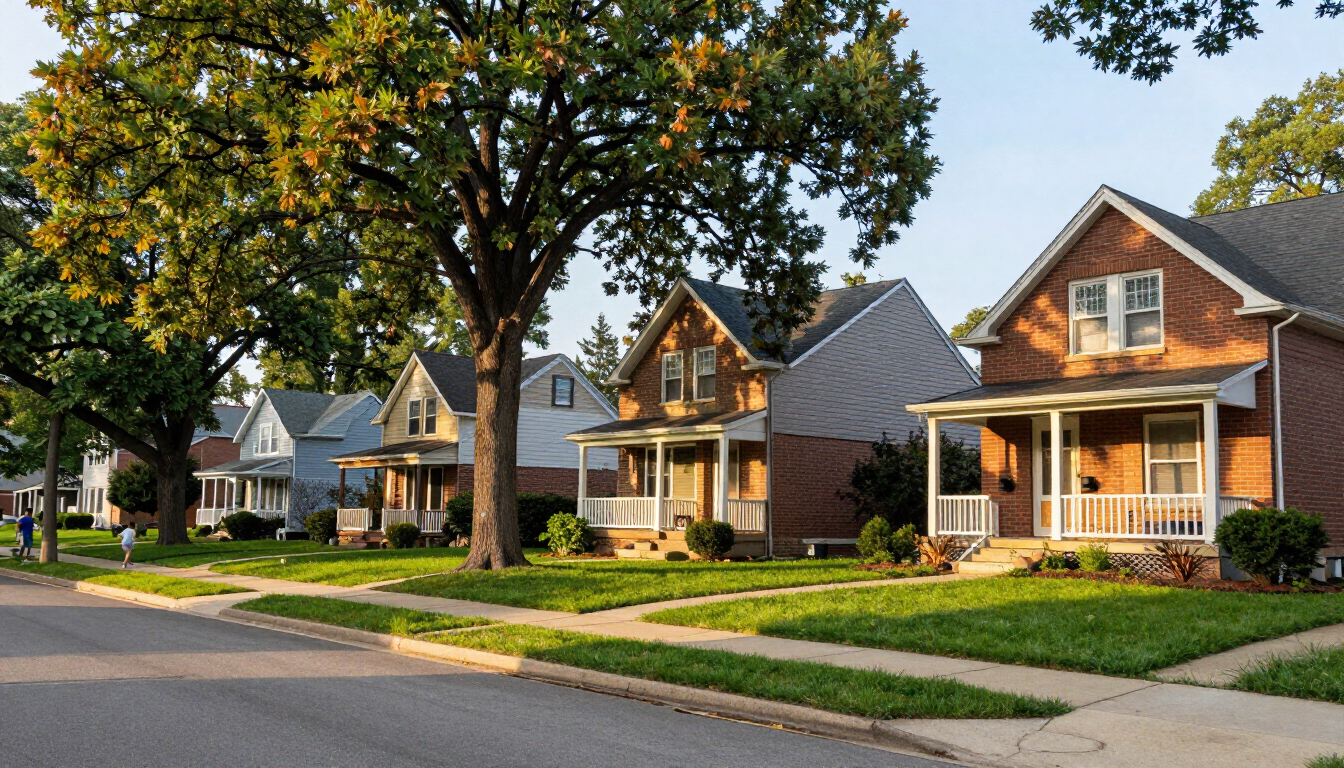
Columbus has a humid continental climate, with cold winters, warm summers, changing soil conditions, and occasional severe storms. These conditions support many native and adaptable ornamental trees. The best choice for your yard depends on available space, sunlight, drainage, soil type, and the tree’s mature size.
Here are seven trees homeowners commonly see in the Columbus area:
- Maple trees: Red maple, sugar maple, and Freeman maple are popular for shade and fall color.
- Oak trees: White oak, red oak, and pin oak can become long-lived, substantial shade trees.
- Sycamore trees: Their mottled bark and broad canopy make them noticeable along streets and waterways.
- Honey locust trees: Thornless varieties provide light, filtered shade and tolerate urban conditions.
- Eastern redbud trees: These smaller native trees produce colorful spring flowers and work well near patios.
- Serviceberry trees: Serviceberries offer spring flowers, edible fruit for wildlife, and attractive fall color.
- Spruce trees: Norway and Colorado blue spruce are common evergreens, although they need enough room and airflow.
How do you care for maple trees?
Maples are among the most common trees in Columbus, Ohio, because they grow well in many residential settings and provide excellent shade. However, compacted soil, drought, girdling roots, and improper pruning can cause problems.
Simple maple care includes:
- Watering slowly and deeply during dry periods, especially for young trees.
- Applying a 2- to 3-inch layer of mulch over the root zone.
- Keeping mulch several inches away from the trunk flare.
- Removing competing or crossing branches while they are small.
- Watching for weak branch unions, trunk damage, and thinning foliage.
Avoid topping a maple to control its height. Topping creates large wounds and weak, rapidly growing shoots. If branches are close to a roof, driveway, or utility line, professional tree trimming can reduce risk while preserving the tree’s structure.
Which oak trees grow well around Columbus?
Oak trees are valued for their strength, wildlife benefits, and long-term shade. White oak and red oak can become very large, so they should be planted well away from foundations, septic systems, overhead lines, and narrow property boundaries.
Young oaks need consistent watering while their roots become established. Mature oaks generally have deep, extensive root systems, but even established trees can suffer during prolonged summer drought. Keep heavy equipment and repeated foot traffic away from the root zone when possible, since soil compaction limits oxygen and water movement.
Prune oaks carefully and avoid unnecessary cuts. In some situations, seasonal timing matters because certain pests and diseases can enter fresh wounds. A tree professional can identify the safest approach and explain whether tree pruning or structural support is appropriate.
What should you know about sycamore trees?
American sycamores are native, fast-growing trees with broad canopies and distinctive peeling bark. They often thrive near streams and in moist soils, but their mature size makes them a poor fit for small yards.
Sycamores may drop leaves, bark, twigs, and seed balls throughout the year. That is normal, but dead or hanging branches should not be ignored. Inspect the tree after high winds and look for:
- Cracked limbs or branches caught in the canopy
- Cavities, loose bark, or large dead sections
- Fungal growth near the base
- Soil heaving or exposed roots
- Branches rubbing against structures or power lines
Do not climb a tree to remove a hazardous limb. Tree deadwooding is safer when handled with the right equipment and cutting technique.
Are honey locust trees a good choice for a yard?
Thornless honey locust cultivars are useful shade trees for larger lawns, driveways, and streetscapes. Their small leaves let grass grow beneath the canopy more easily than under some dense shade trees. They also tolerate heat, urban pollution, and moderately dry conditions once established.
Check the plant label before buying. Some honey locust varieties have thorns or produce messy seed pods. Select a cultivar with a mature height and spread that fit the property. Young trees benefit from a central leader, balanced branching, and protection from lawn equipment.
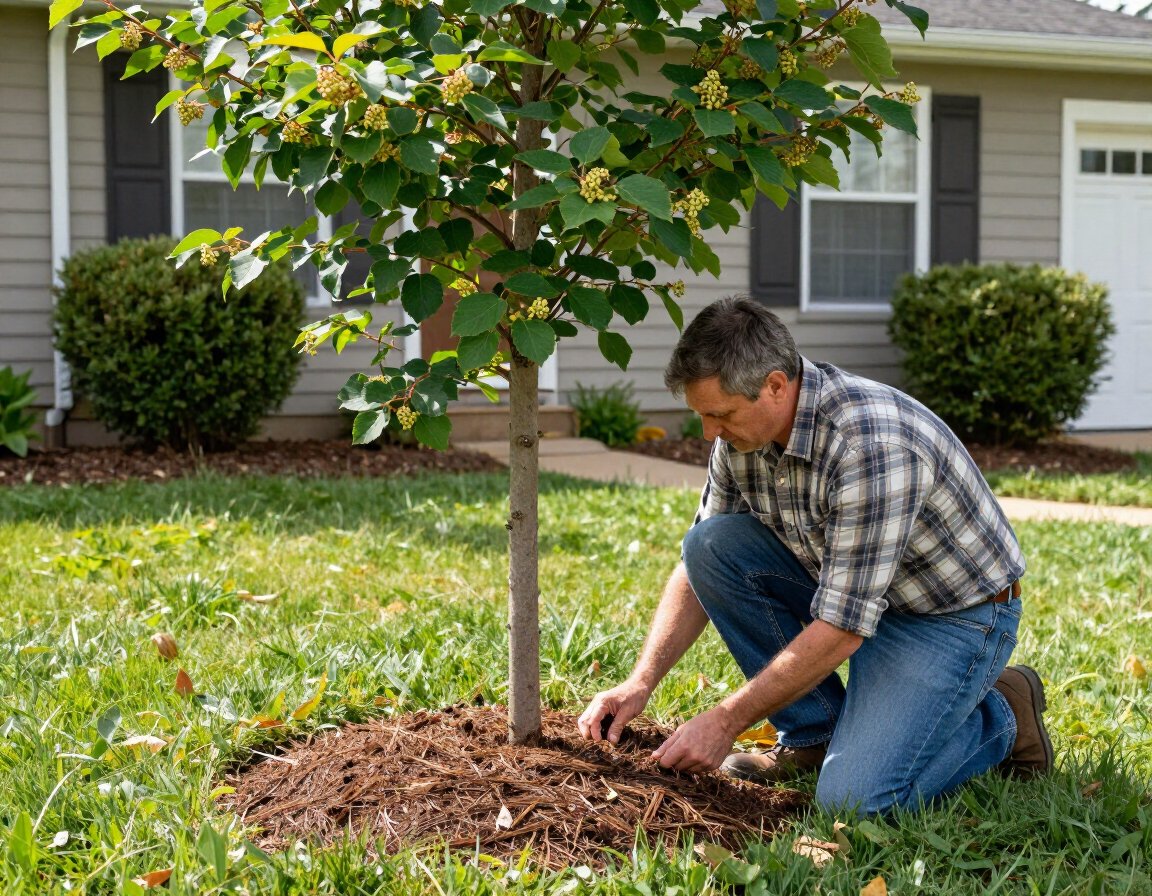
Mulch can help retain soil moisture, but it should never form a volcano around the trunk. A flat, wide mulch ring is better for roots and reduces the chance of trunk decay.
Which small trees work best for Columbus yards?
Eastern redbud and serviceberry are strong options when you want seasonal interest without planting a massive shade tree. Redbuds produce pink or purple flowers in early spring and can grow in partial shade. Serviceberries offer white spring flowers, summer fruit, and red-orange fall foliage.
These smaller trees still need adequate space. Do not plant directly beneath utility lines or in a location where mature branches will block sightlines. Prepare the soil across a broad area instead of digging a narrow, deep hole. The root flare should remain visible at planting, and the surrounding soil should be watered thoroughly.
For help selecting and installing a tree, visit the tree planting service page. Choosing the right species and location is usually easier—and less expensive—than correcting a poorly placed tree later.
How should you care for spruce trees?
Spruce trees provide year-round color and privacy, but they need good airflow and enough room to grow. Planting them too close together or in poorly drained soil can contribute to stress and pest problems. Colorado blue spruce, in particular, may struggle in hot, humid conditions and can develop needle diseases.
Water spruce trees deeply during extended dry weather, especially when they are young. Avoid frequent shallow watering. Remove dead branches and improve airflow by maintaining reasonable spacing between trees. Brown interior needles can be normal seasonal shedding, but widespread browning, thinning, or visible insects deserves closer inspection.
Do not shear a spruce into an unnatural shape by cutting into old, bare wood. Most conifers do not reliably produce new growth from branches without needles.
When should Columbus homeowners prune trees?
The best pruning time depends on the tree’s species, condition, size, and reason for pruning. In general, structural pruning is easiest when a tree is young, while dead, damaged, or hazardous branches should be addressed promptly. Avoid removing large amounts of live growth at once.
A basic pruning checklist includes:
- Identify the branch collar before cutting.
- Remove broken, dead, or rubbing branches first.
- Keep cuts clean and appropriately sized.
- Never top a tree or leave long stubs.
- Use a qualified professional for large branches or work near utilities.
Routine care can prevent small defects from becoming major hazards. If a tree has split limbs, major storm damage, a leaning trunk, or branches over a structure, contact a tree care company before attempting cleanup. For immediate hazards, use emergency tree removal .
How much mulch do trees need?
Mulch helps stabilize soil temperature, conserve moisture, and reduce competition from grass. Apply about 2 to 3 inches of organic mulch in a broad ring extending toward the drip line when practical. Keep the material away from the trunk and root flare.
Too much mulch can retain excessive moisture against the bark, encourage decay, and attract pests. Refresh mulch as it breaks down instead of piling new layers high each season. If your yard needs broader bed maintenance, see mulching and landscaping .
What are signs a tree needs professional attention?
Call a professional when you notice defects that could threaten people, buildings, vehicles, or utility lines. Warning signs include:
- Large dead branches or hanging limbs
- Deep cracks in major branches or the trunk
- A sudden lean after wind or saturated soil
- Cavities, decay, or mushrooms at the base
- Root damage from construction or excavation
- Severe storm damage that cannot be reached safely
A tree may look healthy while having internal decay or a weak attachment. An inspection can help you compare pruning, monitoring, support, removal, or replacement options. When a tree cannot be safely preserved, tree removal and stump grinding can complete the project.
Key takeaways for Columbus homeowners
Common trees in Columbus, Ohio, can thrive when they are matched to the site and maintained consistently. Maples and oaks provide dependable shade, sycamores suit spacious areas, honey locusts tolerate urban conditions, and redbuds, serviceberries, and spruces add seasonal interest. Water new trees deeply, mulch correctly, prune selectively, and inspect trees after storms. If you see large dead limbs, cracks, decay, or utility conflicts, do not take unnecessary risks. Evaluate the tree early, then choose professional pruning, planting, removal, or emergency care based on its condition and location.